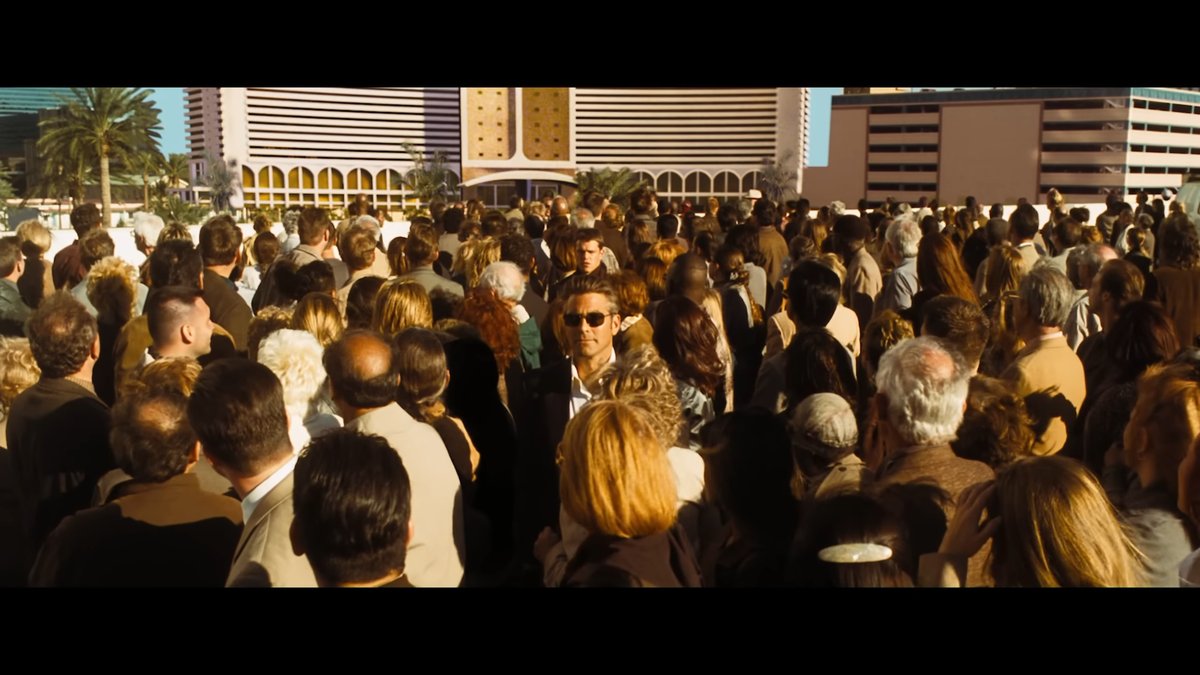
DEATH
Death engages our primal relation to survival, loss, pain, constraint and irreversibility, making a story feel existentially human and forcing what matters into focus.
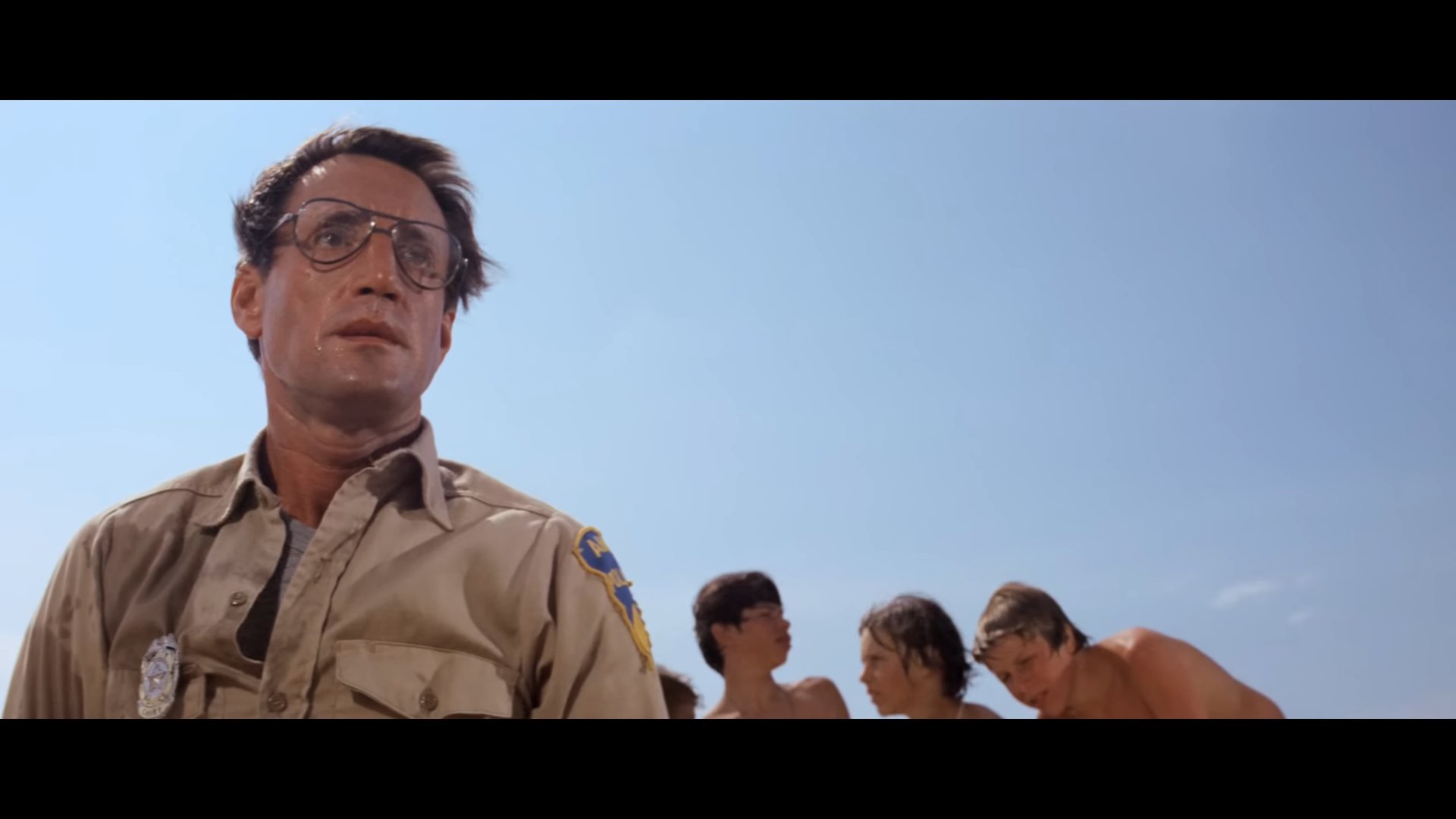
At its strongest, Death makes the problem feel existentially unavoidable.
Without Death, a work can still stimulate, move and mean, but it struggles to feel like it fundamentally matters.
Death: Gravity
Gravity is almost a buried-alive story moved into space.
Instead of a coffin slowly running out of oxygen, we have a human body suspended in an environment that is radically indifferent to it. Oxygen is finite. Distance matters. Inertia matters. Time matters. A single mistake can become irreversible. There is no ordinary environment to retreat into and almost no possibility of pretending that the problem can simply be postponed.
That makes the situation existentially unavoidable.
The environment keeps closing the available space of action around the character. Survival is not an abstract stake sitting somewhere in the background; it is constantly pressing against the body, attention and decision-making of the scene. The same pressure reaches us through identification. Even though we can literally pause the film and walk away, the experience itself keeps insisting that there is no outside right now.
That is why Gravity is such a useful first example of Death. It makes the primal machinery unusually visible: vulnerability, survival, finite resources, constraint, pain, risk and the felt impossibility of escape.
Quick questions and answers to clear the air before getting into things seriously.
Notes toward the chapter
Death is an inescapable trap. Every story must replicate this feeling. Still, a flimsy opportunity of escape must exist, for it is what will drive the story on a deeper level. The instinctive pursuit of resolution. Survival.
The lie has become a confortable world (Learned Helplessness and all) but it now must mean Death. That is why the notion of trap is an extremely important one. One must be trapped ever closer to Death. Only then can Truth be found.
Death is the agent of change.
Playing on the deepest fears of the audience will hugely contribute to the flow. It affects rhythm, it changes the relationship to space, it tightens and loosens the very fabric of narration: Death feeds Fluid.
An inescapable truth can sometimes be worse than Death.
Irony

Irony is the most immediate, fundamental necessity of story. It is at its core a pattern immediately understood by the audience. There is no need for an explanation, the tension it commands is obvious, it almost precedes thought.
Irony is a challenge to self-reflect. A device that traps and forces to face truth, forces resolution.